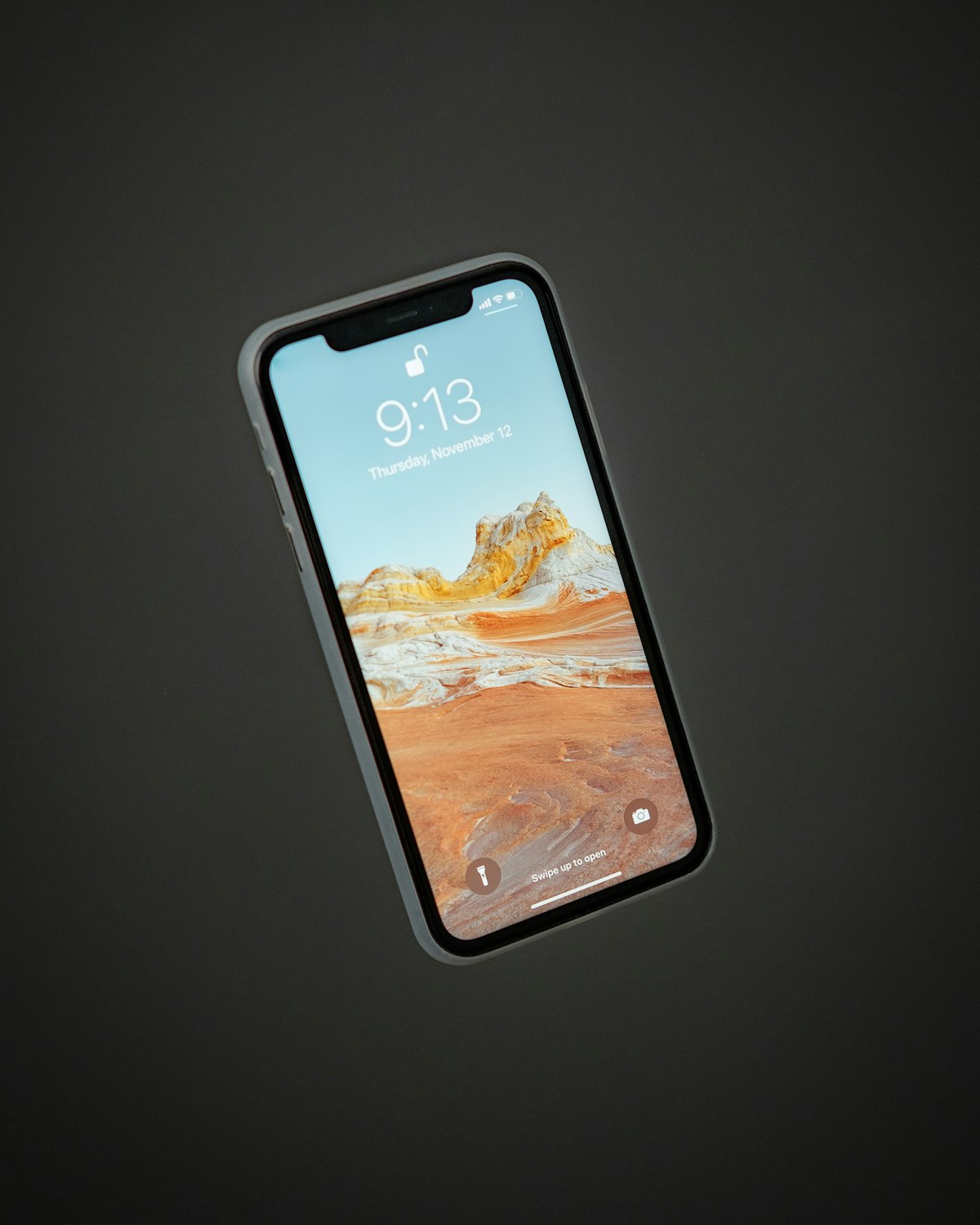
Buying a phone case shouldn't be complicated, but with hundreds of options it often is. This guide breaks down the four key decisions you need to make: material, protection level, fit, and additional features. By the end, you'll know exactly what to look for.
Step 1: Choose Your Material
The material determines durability, grip, weight, and feel. Here's how the most common options compare:
Polycarbonate (PC)
Hard plastic that offers excellent scratch resistance and structural rigidity. Lightweight and affordable. Used in most slim and clear cases. Best for everyday protection without bulk.
Thermoplastic Polyurethane (TPU)
Flexible, rubber-like material that absorbs shock exceptionally well. Slightly heavier than PC but provides superior drop protection. Used in rugged and waterproof cases. Grippy texture prevents slips.
Silicone
Soft, smooth texture that feels premium in hand. Good grip and moderate drop protection. Can attract lint in pockets. Liquid silicone variants maintain their shape longer than standard silicone.
Genuine Leather
Ages beautifully, developing a unique patina over time. Moderate drop protection. Typically used in folio and wallet cases. More expensive but lasts years and looks better with age.
Plant-Based Composites
Made from flax fiber, bamboo, or other plant materials. Biodegradable at end of life. Drop protection comparable to PC. A growing category for environmentally conscious buyers.
Step 2: Determine Your Protection Level
Not everyone needs military-grade protection. Match the case to your lifestyle:
Light Protection (Slim Cases)
0.6mm to 2mm thick. Protects against scratches and minor drops (waist height). Best for office workers and users who rarely drop their phones. Examples: Ultra Thin Case, Clear Polycarbonate Case.
Medium Protection (Everyday Cases)
2mm to 4mm thick. Handles drops from shoulder height. Good grip and corner cushioning. Best for most users. Examples: Carbon Fiber Slim Case, Liquid Silicone Case.
Heavy Protection (Rugged Cases)
4mm+ thick. MIL-STD-810G certified for 6-foot drops. Reinforced corners and raised screen edges. Best for outdoor workers, adventurers, and anyone who's broken a screen before. Examples: Shockproof Military-Grade Case, Industrial Heavy-Duty Case.
Specialized Protection
Waterproof, thermal insulation, or extended battery cases. These solve specific problems beyond drop protection. Choose only if you need the specific feature.
Step 3: Verify Fit and Compatibility
Always check that the case is designed for your exact phone model. iPhone 15 Pro and iPhone 15 Pro Max have different dimensions — a case for one won't fit the other. Check:
- Camera cutout alignment
- Button responsiveness (case buttons should click, not stick)
- Charging port access (especially if you use third-party cables)
- Wireless charging compatibility (most slim cases work; thick rugged cases may not)
- MagSafe compatibility (look for cases with MagSafe rings or magnetic compatibility notes)
Step 4: Consider Additional Features
Modern cases do more than protect. Think about which features you'd actually use:
- Card slots: Carry ID and a payment card without a separate wallet
- Kickstand: Hands-free video viewing — built into the case or as a separate ring grip
- Battery extension: 5000mAh cases add a full day of power
- Waterproofing: Submersible cases for beach and water sports
- Thermal insulation: Keeps phones working in extreme cold
Budget Considerations
Phone cases range from $10 to $55. Price generally correlates with material quality and feature set. A $10 clear case provides basic protection; a $55 extended battery case provides protection plus a full day of extra power. The sweet spot for most users is $18–$25, which buys a quality everyday case with good materials and grip.
Conclusion
Choosing the right case comes down to understanding your daily environment and priorities. Start with material, match protection to your lifestyle, verify fit, and add features only if you'll use them. Browse Phounder's full collection to find cases organized by protection level and feature set.


